
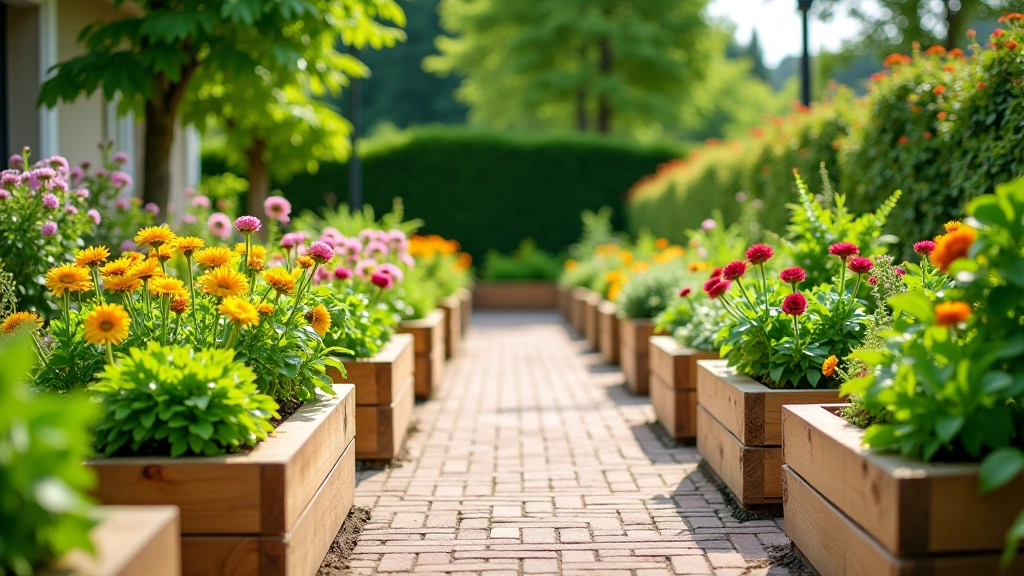
Hardscaping Materials That Stand the Test of Time
Stone, wood, and concrete all have different properties. We break down which materials work best for pathways, patios, and water features in our climate.
Why Material Choice Matters
When you're planning a garden renovation, it's easy to focus on plants first. But here's the thing — hardscaping forms the backbone of your outdoor space. The pathways you walk on, the patio where you sit with morning coffee, the edges that define your beds — they're all taking a beating from weather, foot traffic, and seasonal changes.
In South Bohemia, we're dealing with freeze-thaw cycles that'll crack poor-quality materials in just a couple of winters. We get real moisture. We've got sun exposure that fades colors and weakens bonds. So material selection isn't just about aesthetics — it's about choosing something that'll actually look good five, ten, even twenty years from now without constant repairs.
The Three Main Players
- Natural stone (granite, slate, limestone)
- Concrete (poured, pavers, stamped)
- Wood (composite, treated timber, exotic hardwoods)
Natural Stone: The Premium Choice
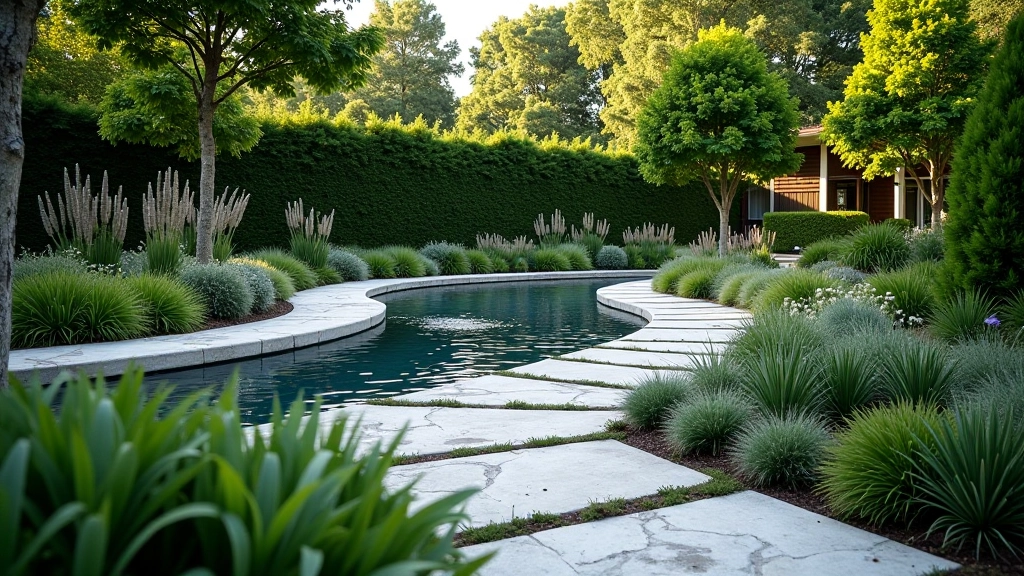
Natural stone is what comes to mind when people imagine a truly beautiful garden. Granite's got this elegant, timeless look that just doesn't go out of style. Slate offers that sophisticated dark aesthetic. And limestone? It's warm, inviting, and weathers beautifully over time — developing a patina that actually enhances the character.
The durability is genuinely impressive. We're talking about material that can last 50+ years with minimal maintenance. Most natural stone won't crack from freeze-thaw cycles because of how it's formed deep underground under pressure. That density means it handles moisture without absorbing it the way cheaper materials do.
Real talk: Installation matters enormously. Poor drainage under stone leads to settling and cracking. We always use 50mm sand base with proper slope (1 in 60 gradient) to move water away.
Concrete: Practical and Versatile
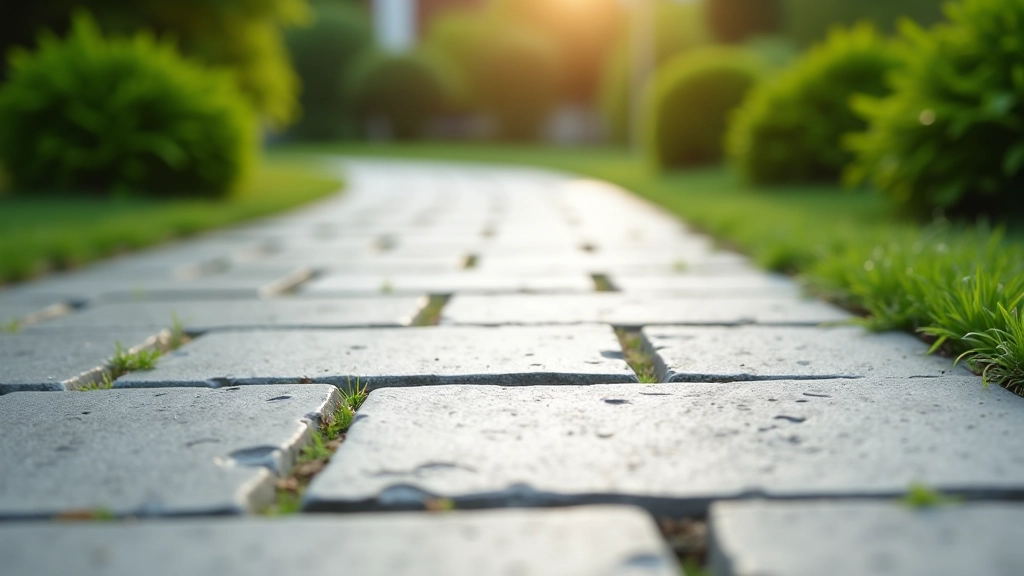
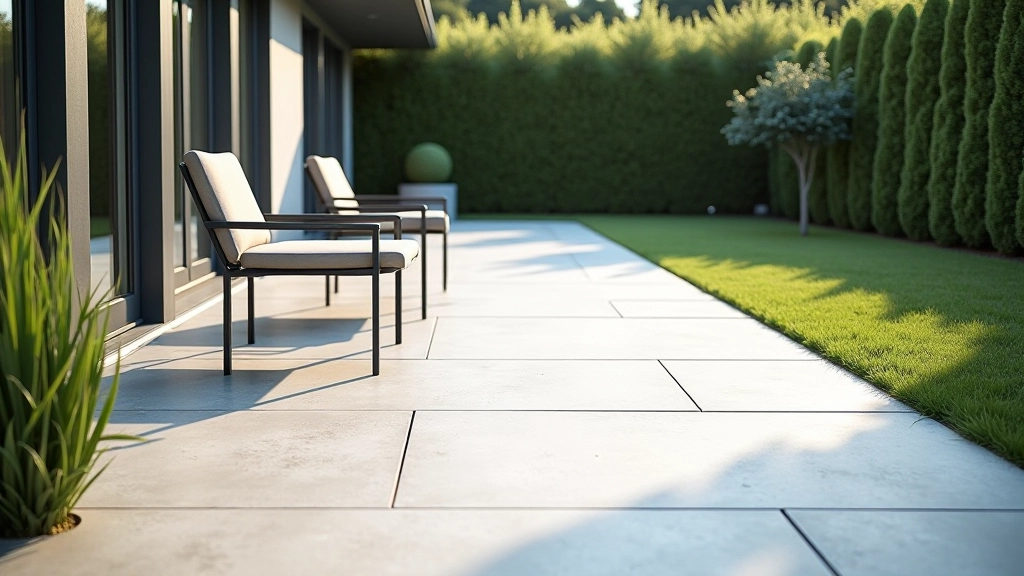
Concrete gets unfairly dismissed as boring. Yes, a plain grey slab looks dull. But that's not what you're working with these days. You can stamp patterns into concrete, add color pigments, expose the aggregate for texture, even create permeable versions that let water drain through.
Here's where concrete shines: cost-effectiveness and customization. A poured concrete patio costs maybe 40-60% less than natural stone. You can create virtually any shape or size without limitations. And for durability? A properly finished concrete slab in our climate will last 30-40 years easily, sometimes longer.
The catch is maintenance. Concrete needs sealing every 2-3 years to resist staining and moisture penetration. Skip that, and you'll see salt damage, frost spalling (where chunks flake off), and general degradation. But if you stay on top of it, concrete performs incredibly well.
Related Reading
Important Note
This article is provided for educational and informational purposes. Every garden and climate is different — what works in South Bohemia may need adaptation elsewhere. We recommend consulting with a qualified landscape architect or contractor for your specific situation. Material performance depends on proper installation, local conditions, maintenance schedule, and quality of materials used. Always verify durability ratings with your supplier and follow local building codes for any hardscaping project.
Wood: Beauty With Commitment
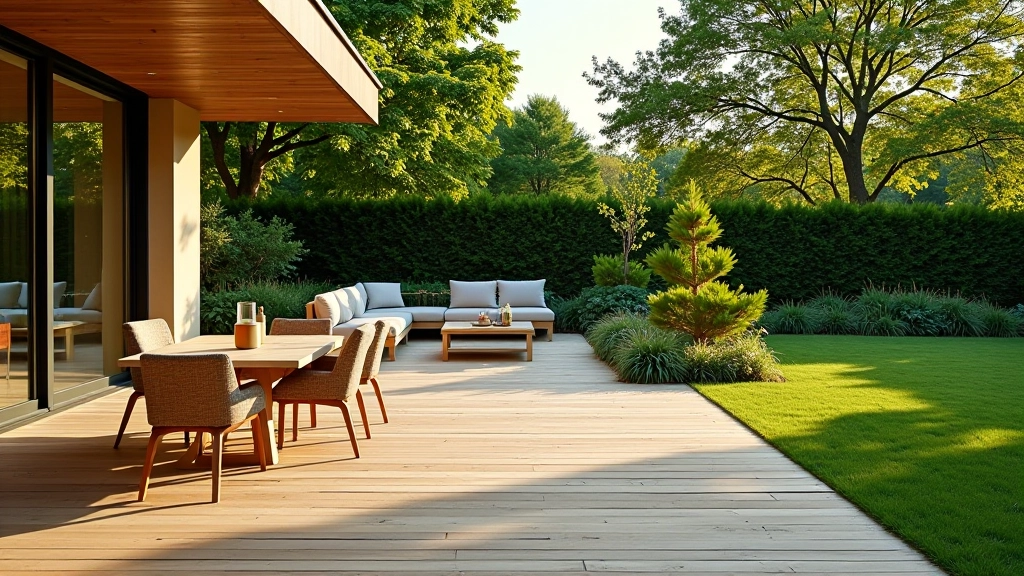
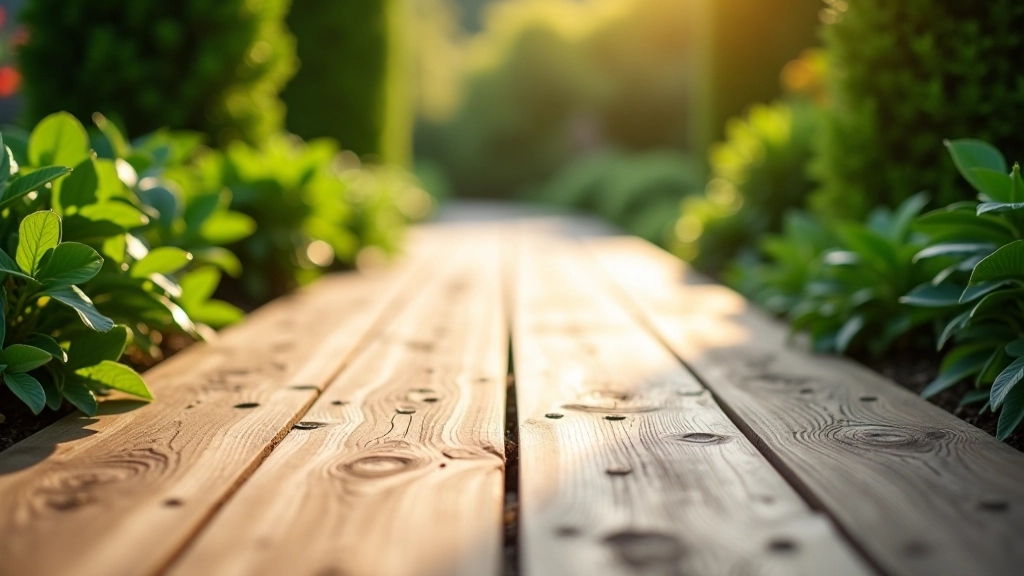
Wood decks and wooden pathways have this warmth that stone and concrete just can't match. Walking barefoot on a wooden deck in summer — there's nothing quite like it. And visually? Wood integrates into gardens beautifully, connecting the built structure to the natural landscape around it.
But here's the reality: wood demands maintenance. Treated timber (the standard for most decks) will last 15-20 years if you're diligent about sealing it every 2 years. Exotic hardwoods like cumaru or ipe last longer — sometimes 25-30 years — but they're pricey. Composite materials (plastic and wood fiber blended) are the middle ground. They won't splinter, they resist rot better, and they need less maintenance. Though they're more expensive upfront.
In our climate with heavy moisture and freeze-thaw cycles, wood is honestly the highest-maintenance choice. Moisture gets under the boards, ice expands underneath, and you get heaving. Proper ventilation underneath (minimum 150mm air gap) is non-negotiable.
Special Considerations for Water Features
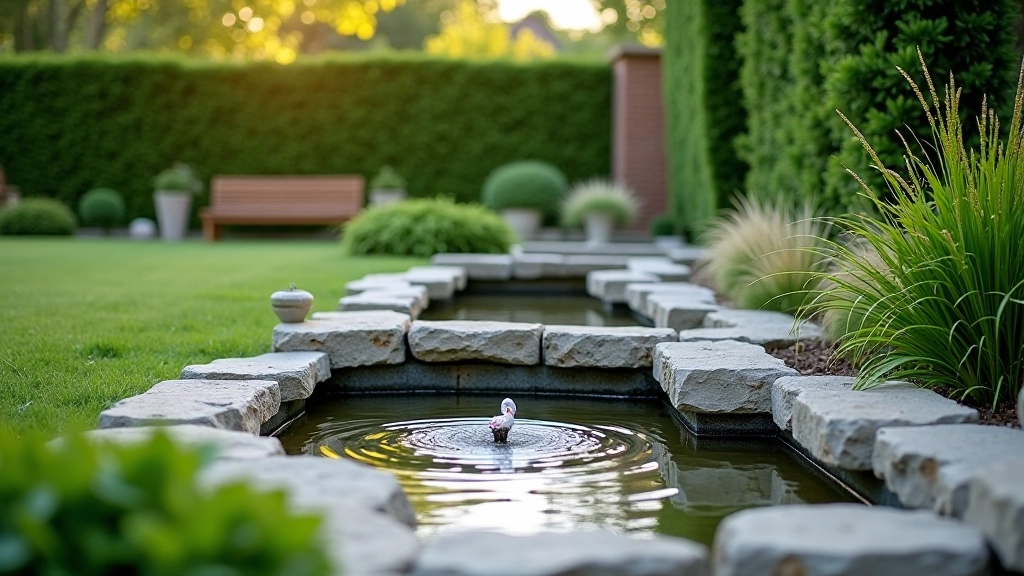
Water features add so much character to a garden. But they're where material choice becomes really critical. Stone around a pond needs to be non-porous or properly sealed — otherwise, you'll get mineral staining and algae growth. Limestone and sandstone are beautiful but absorb water. Granite and slate are better choices because they're denser.
For edges and coping (the rim of a pond or water feature), you need material that won't degrade from constant water contact and won't get slippery. Slate's natural texture provides good grip. Granite works too but can get mossy in shaded areas. Whatever you choose, proper drainage behind the stone prevents water from freezing and expanding behind it — that's what causes failure.
Don't use untreated wood directly in water. It'll rot within a few seasons. If you want that aesthetic, use composite materials or pressure-treated timber rated for water contact, and plan on replacing it every 10 years or so.
Making Your Choice
There's no single "best" material — it depends on your priorities. Natural stone costs more upfront but essentially lasts forever with minimal maintenance. Concrete gives you flexibility and affordability but requires regular sealing. Wood delivers warmth and beauty but demands ongoing care.
Here's what we tell clients: think about your lifestyle and budget. If you love the look of stone and you're willing to invest in quality installation, stone is the right choice. If you want something affordable that you can customize and you don't mind a sealing schedule, concrete makes sense. If you prioritize aesthetics over maintenance and you've got the budget, composite or quality hardwood decking works.
Whatever you choose, don't skimp on installation. Proper base preparation, correct drainage, and quality materials work together. You can't use premium stone with poor installation and expect it to last. But with attention to these details, your hardscaping will look beautiful and function flawlessly for decades.

More Articles in This Category
Creating Year-Round Color in Your Garden
A guide to selecting perennials and shrubs that bloom across different seasons.
Read More
Designing Functional Outdoor Terraces
Learn how to plan a terrace that works for entertaining, relaxation, and daily use.
Read More
Low-Maintenance Garden Design Principles
Want a beautiful garden without constant upkeep? We explain how native plants, proper planning, and smart material choices create gardens that practically maintain themselves.
Read More