
Creating Year-Round Color in Your Garden
A practical guide to selecting perennials and shrubs that bloom across different seasons, so your garden stays interesting from spring through fall.
Why Color Matters in Garden Design
Most gardens look spectacular in May and June, then fade into green monotony by August. It doesn't have to be that way. When you're planning your beds, think beyond spring bulbs — there's a whole world of plants that'll give you color in summer, autumn, and even winter if you know what to look for.
The trick isn't complicated. It's about understanding what blooms when, and layering those plants strategically. We're talking perennials that flower at different times, shrubs with interesting foliage that changes color, and some reliable annuals to fill gaps. We've been doing this for years in gardens across South Bohemia, and the results speak for themselves.
Quick Win
Start with one "backbone" shrub that offers year-round interest — maybe a Japanese maple for fall color or a variegated holly for winter structure. Build everything else around that anchor plant.
Spring: The Easy Season
Spring's your freeload period, honestly. Everything wants to bloom. Tulips, crocuses, daffodils, hellebores — they practically grow themselves. But here's what most people get wrong: they treat spring bulbs like a one-off event. Plant them, they flower for three weeks, then you're left staring at dying foliage.
Instead, interplant spring bulbs with emerging perennials. When your tulips fade in late May, the hostas and daylilies around them are already growing in. The dying bulb foliage gets hidden. By June, you've got a full, healthy-looking bed with no awkward brown patches.
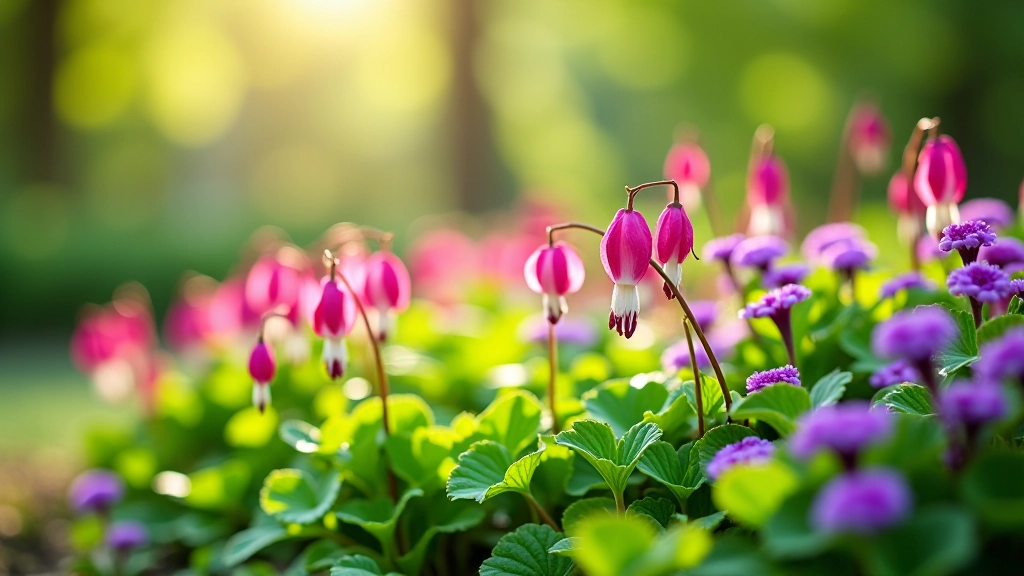
- Bleeding heart — delicate pink or white flowers, April-May
- Primrose — comes in nearly every color, March-April
- Coral bells — foliage color lasts through season
- Early clematis varieties — vine color starting April
Summer: The Main Event
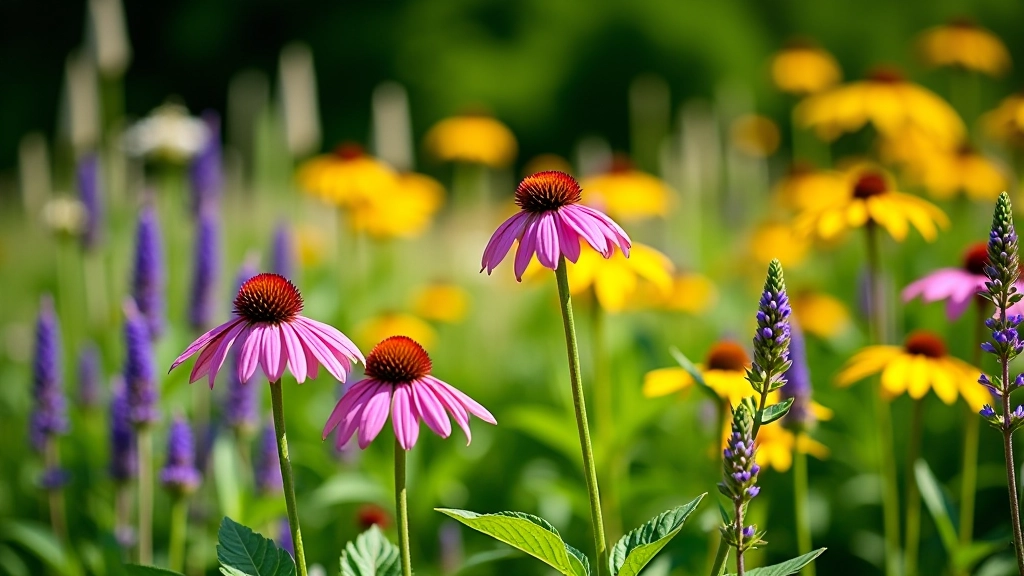
July and August — this is when most gardens hit peak color or crash completely. You want reliable bloomers that don't need deadheading every three days. Coneflowers, black-eyed Susans, daylilies, and salvias are your workhorses. They're tough, they bloom for weeks, and they attract butterflies and pollinators that add life to the space.
One thing we always recommend: plant these in groups of three or more. A single coneflower plant looks lonely. Three plants together, spaced about 18 inches apart, creates real visual impact. In our projects around České Budějovice, we typically group 5-7 plants of the same variety for dramatic effect in larger beds.
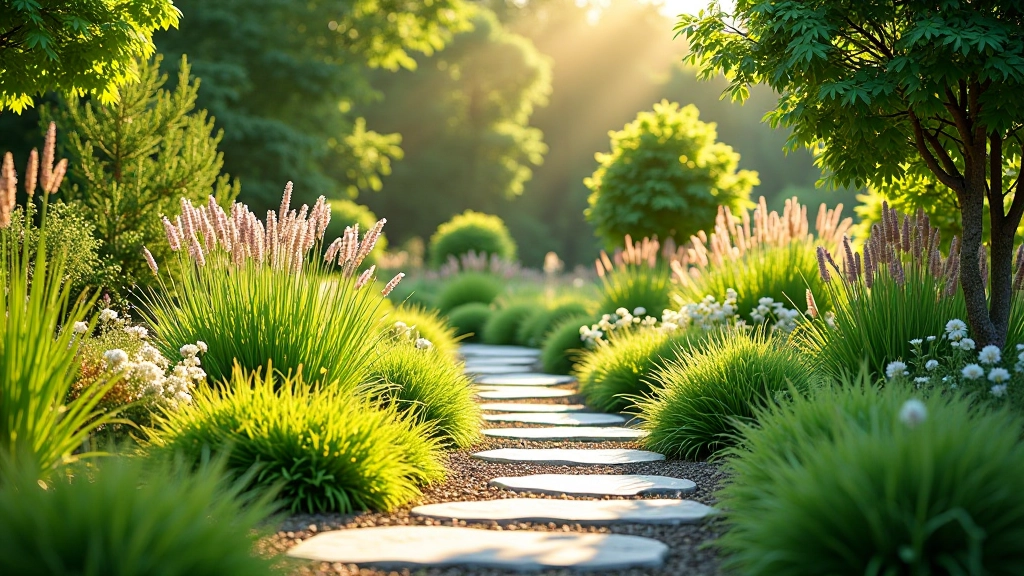
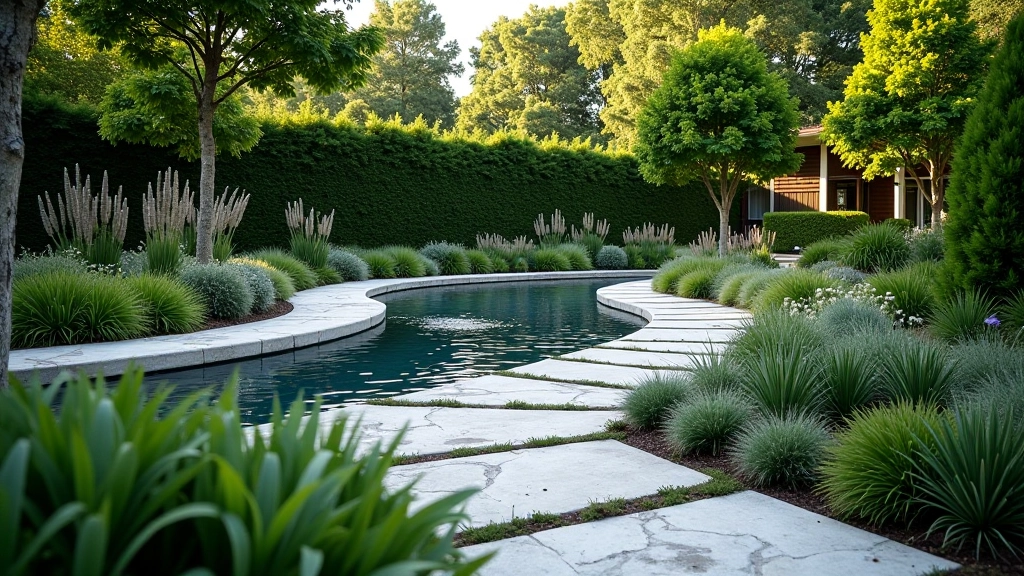
Don't forget about ornamental grasses either. Feathery panicles, golden tones, movement in the breeze — they're not just a backdrop. They're a design element in themselves. Pair them with flowering plants for contrast.
Growing Zone Matters
This guide focuses on plants suitable for USDA zones 5-7, which covers most of Central Europe. Before purchasing any plant, verify it's hardy in your specific location. Hardiness depends on minimum winter temperatures, soil type, and moisture. We're located in South Bohemia (zone 6), so our recommendations are based on what thrives here. Your results may vary if you're in a different climate region. When in doubt, consult a local nursery or landscape professional.
Autumn: The Underrated Season
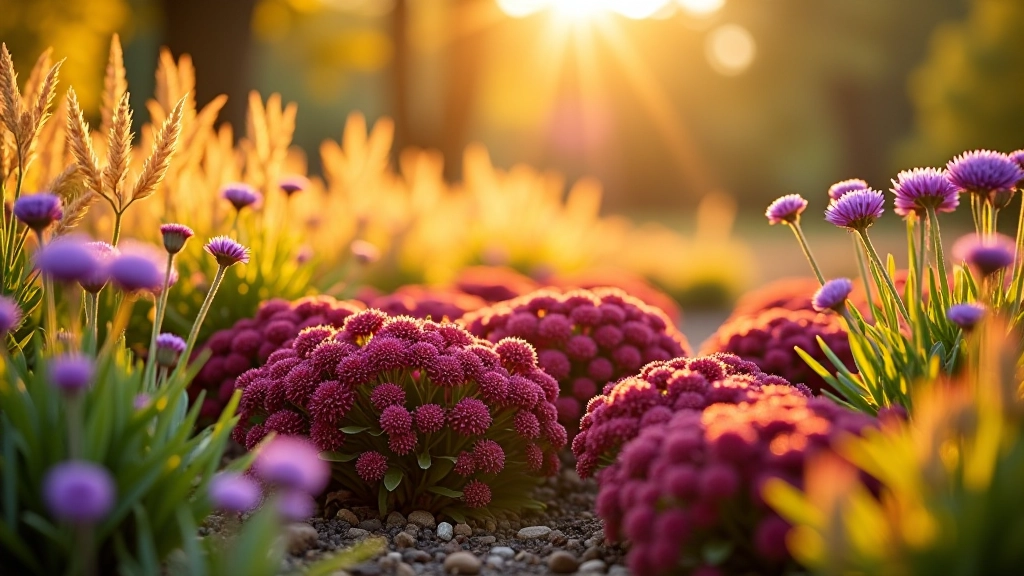
September through November — this is when people forget about their gardens. But autumn's actually when you can get some of the most dramatic color. Japanese maples turn brilliant red and orange. Sedum flowers deepen to burgundy. Asters bloom in purple and pink. The light gets lower and warmer, making everything glow.
Ornamental kale isn't just a vegetable. The decorative varieties come in purple, pink, and cream. Plant them in September, and they'll look stunning through December. Same with mums — yes, they're a cliché, but there's a reason they're everywhere in autumn. They bloom reliably and come in colors that match the season.
Here's a technique we use: plant spring-blooming bulbs in late September around autumn-blooming plants. By the time the mums and asters fade, you're planting for next spring's show. Keeps you thinking ahead, keeps the garden interesting.
Related Articles
Winter: Structure and Subtlety
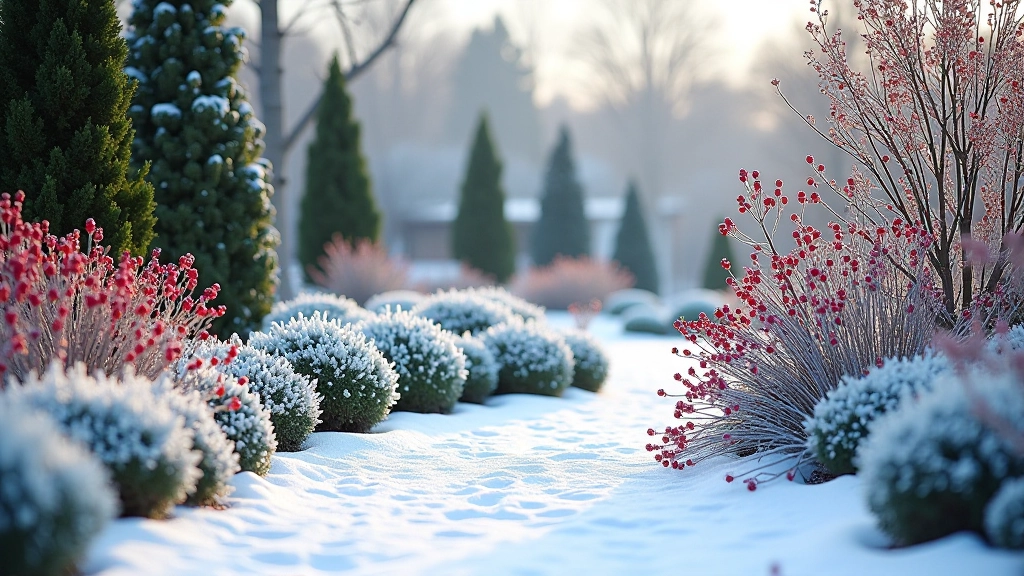
Winter's not about flower color — it's about form, texture, and the colors that persist. Evergreens give you year-round structure. Hollies keep their bright red berries through February. Ornamental grasses catch frost and become sculptures. Dogwoods have red or yellow stems that glow in low winter light.
Plant a few shrubs specifically for winter interest. We're talking about varieties that earn their space by looking good when everything else is dormant. Viburnum, witch hazel (which actually flowers in winter), and variegated boxwood add depth to a winter landscape. The garden doesn't disappear — it just becomes more refined.
The color palette shifts. Less bright, more sophisticated. Burgundy foliage on some plants, golden or blue-tinged evergreens, white or red stems against dark soil. It's beautiful in a different way than spring's exuberance.

Building Your Year-Round Garden
Creating a garden that looks good all year isn't complicated. It's about layering plants with different bloom times and selecting varieties that offer visual interest even when they're not flowering. Start with a strong backbone of evergreens and shrubs, add perennials that bloom at different times, and don't overlook foliage color and texture.
Most importantly, don't try to do it all at once. Plan your beds in sections. This year, focus on spring and summer color. Next year, strengthen your autumn and winter offerings. Over three or four seasons, you'll build something that genuinely keeps your attention year-round. That's when you know you've got it right.