
Designing Functional Outdoor Terraces
Learn how to plan a terrace that works for entertaining, relaxation, and daily use. We cover materials, sizing, and orientation considerations.
Why Your Terrace Matters
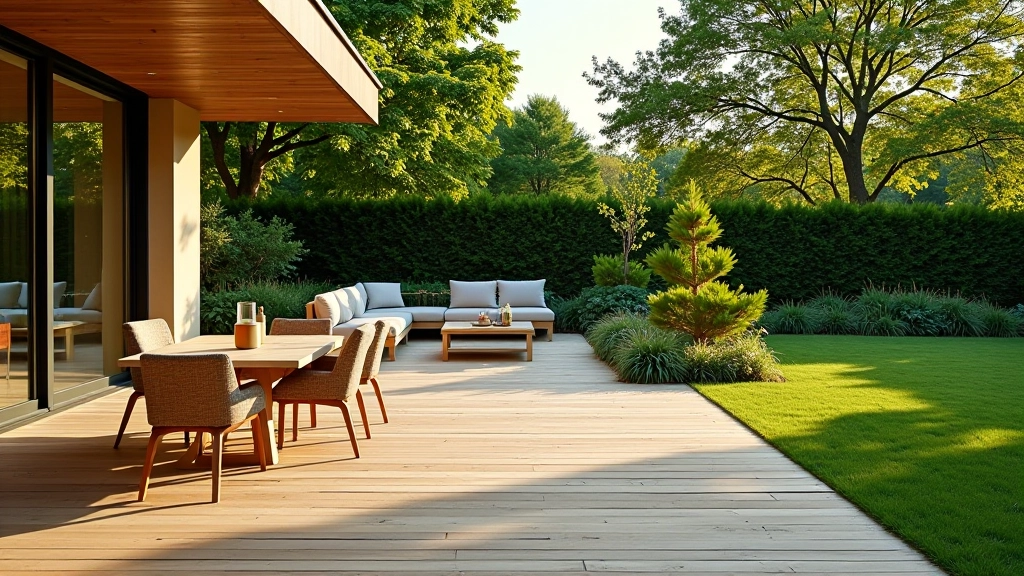
A well-designed terrace isn't just an outdoor space — it's an extension of your home. It's where you'll spend morning coffee, host friends, or simply unwind after a long day. But here's the thing: a beautiful terrace that doesn't function properly becomes a wasted investment.
The difference between a terrace you'll actually use and one that sits empty comes down to thoughtful planning. Size matters. Material choice matters. Where you position it relative to sun and wind — that matters too. We're going to walk you through the key decisions you'll need to make.
Getting the Size Right
Most people underestimate how much space they actually need. You might think a 3m × 3m terrace sounds reasonable, but once you place furniture and account for movement, you're quickly feeling cramped.
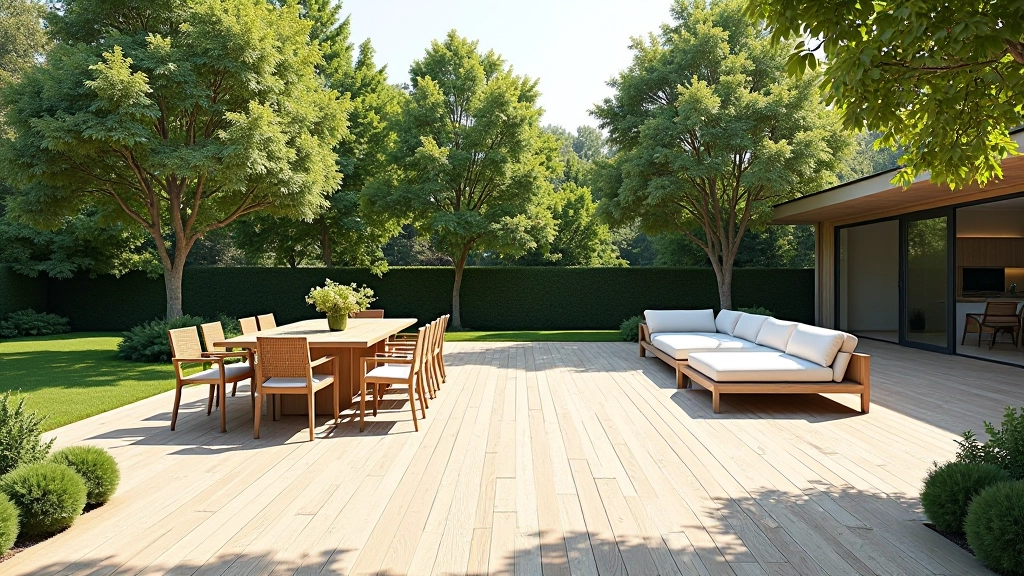
We typically recommend starting with a minimum of 4m × 4m if you're planning to use the space regularly. That gives you room for a dining table that seats 4-6 people, plus a lounge area with chairs. If entertaining is important to you, 5m × 5m or larger is worth the investment.
Think about how you'll actually use the space. Will you eat dinner out there? Do you want separate zones for dining and lounging? Each activity needs breathing room. A cramped terrace gets used less often, no matter how nice it looks.
Materials Make the Difference
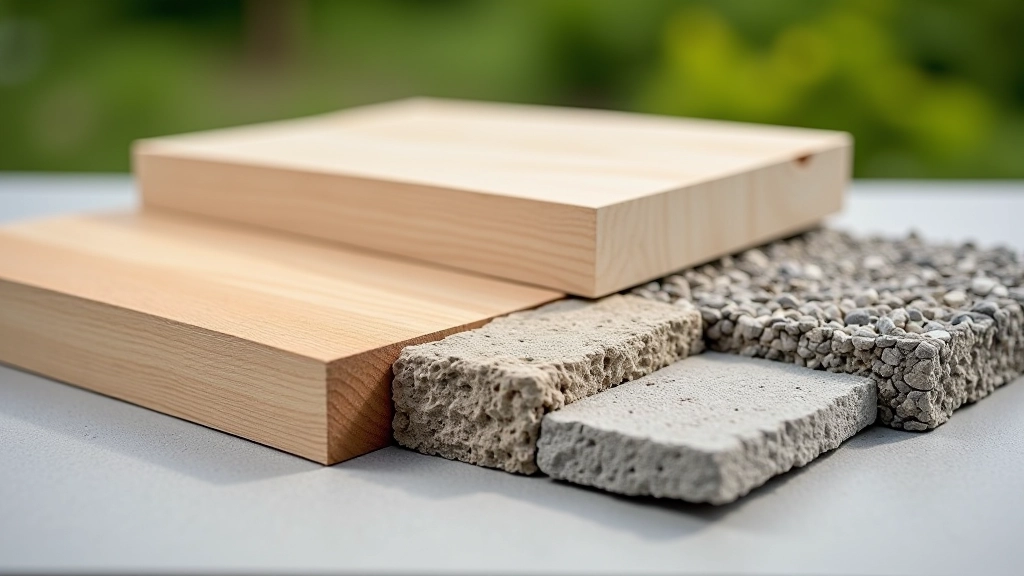
Your material choice affects maintenance, longevity, and how the space actually feels. Wood decking is warm and inviting, but you'll need to maintain it. Natural stone lasts forever but costs more upfront. Concrete is practical and affordable, though it can feel industrial.
In our experience, composite decking has become popular because it splits the difference — it looks like wood, needs minimal maintenance, and holds up well over 15+ years. Stone pavers are excellent if you want something that'll look good decades from now without worrying about rot or fading.
Don't just pick based on looks. Consider your climate. In areas with heavy freeze-thaw cycles, certain materials crack. Lichen and moss grow differently on different surfaces. Ask your local landscaper which materials they see aging best in your specific region.
Planning Tip
This guide is for general planning purposes. Every property is unique — soil conditions, drainage, local building codes, and structural requirements vary significantly. We strongly recommend consulting with a local landscape architect or contractor before finalizing your design. They'll ensure your terrace is both beautiful and built to last.
Orientation & Exposure Matter
Where your terrace faces determines when and how you'll use it. A south-facing terrace gets full sun all day — perfect if you love warmth, but it can become unbearably hot in summer without shade. A north-facing terrace stays cooler and is more comfortable in hot climates, but you won't get that morning sun.
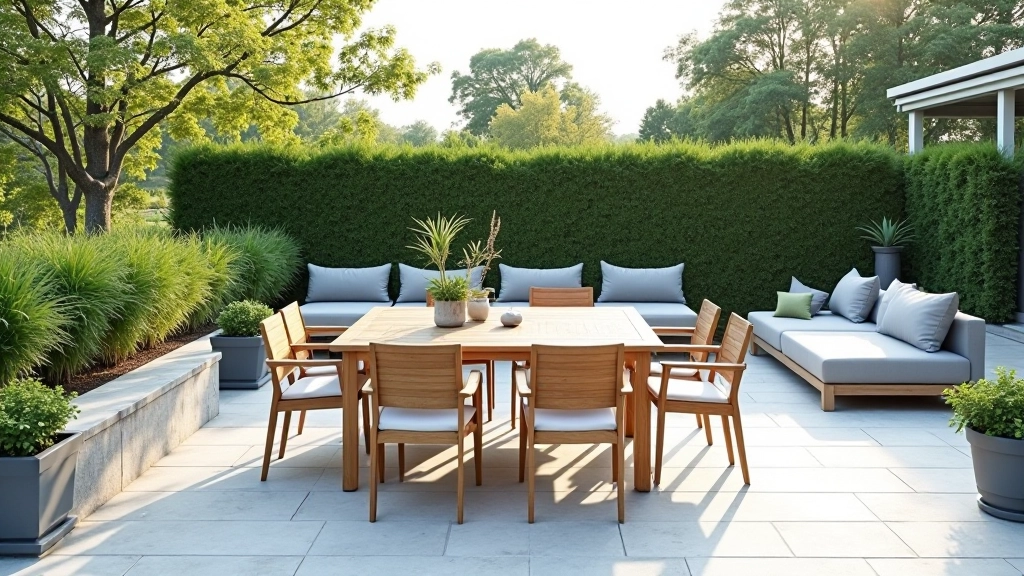
Consider wind too. If your terrace is exposed to prevailing winds, you'll find it uncomfortable for much of the year. A well-placed hedge or fence can make a huge difference. We've seen terraces transform simply by adding a windbreak.
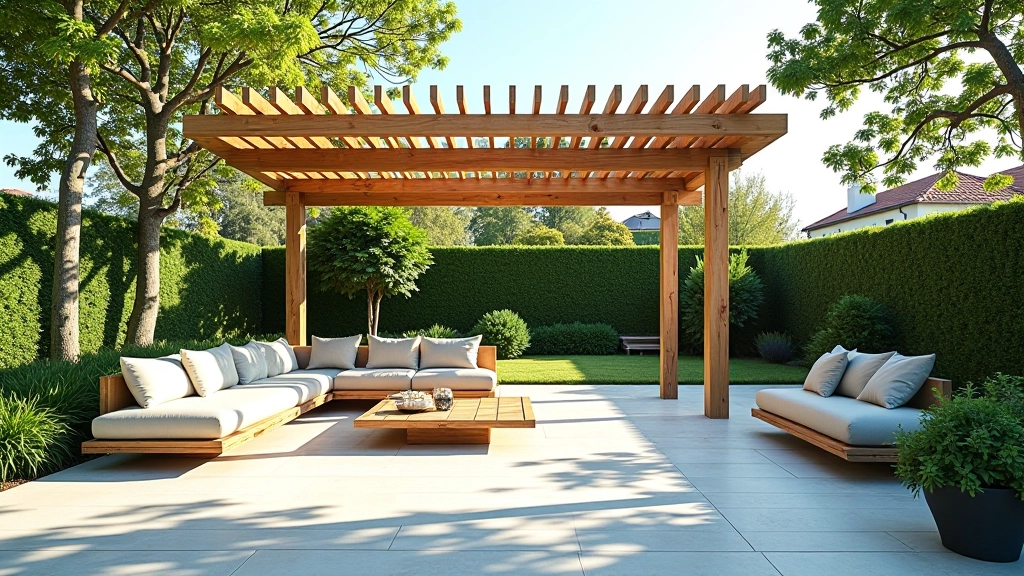
The ideal? A spot that gets morning sun but afternoon shade. That way you're not dealing with intense heat in the afternoon, and you've got that pleasant warmth earlier in the day. If your property doesn't offer that naturally, plan for shade structures — pergolas, umbrellas, or shade sails work well.
Planning for Furniture & Movement
Here's what we see most often: people design the terrace perfectly, then realize they've got nowhere to put a grill or enough clearance to pull out a chair. Plan for the stuff you'll actually put out there.
Allow at least 1.2 meters of clear space around a dining table for people to pull chairs back. If you're planning a built-in bench, you'll need slightly less. A lounge area with comfortable seating should have space for people to move around without bumping into things. Doesn't sound fancy, but it's the difference between a terrace people use regularly and one that feels awkward.
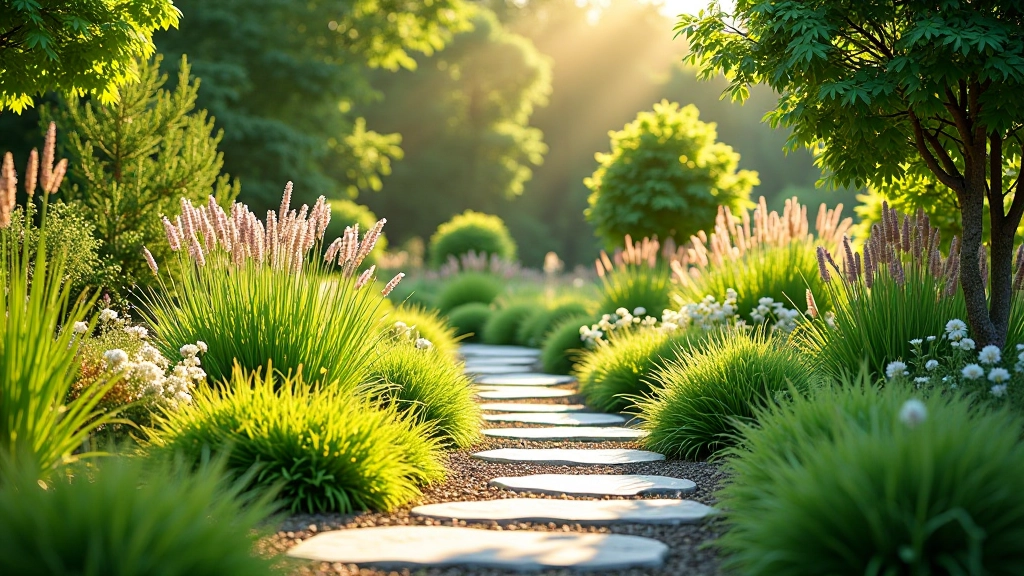
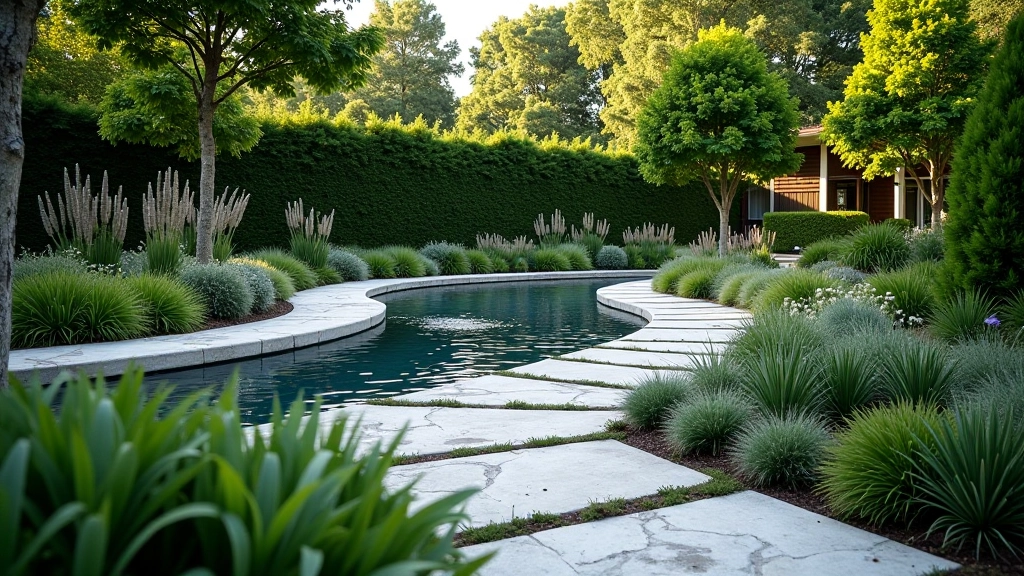
Don't forget pathways. If your terrace connects to the house, make sure there's a clear, logical path. You'll use the space more if movement feels natural. And if you're thinking of adding a grill, outdoor kitchen, or fire pit — plan that space separately so cooking doesn't interfere with the rest of the terrace.

Start with the Fundamentals
Building a functional terrace isn't complicated, but it does require thinking through the basics before you break ground. Get the size right. Choose materials that'll hold up. Position it thoughtfully relative to sun and wind. Plan for the furniture and movement you'll actually do.
These decisions compound over time. A terrace designed with care becomes a space you'll use constantly. It'll add real value to your home and quality to your daily life. That's worth the upfront planning.