
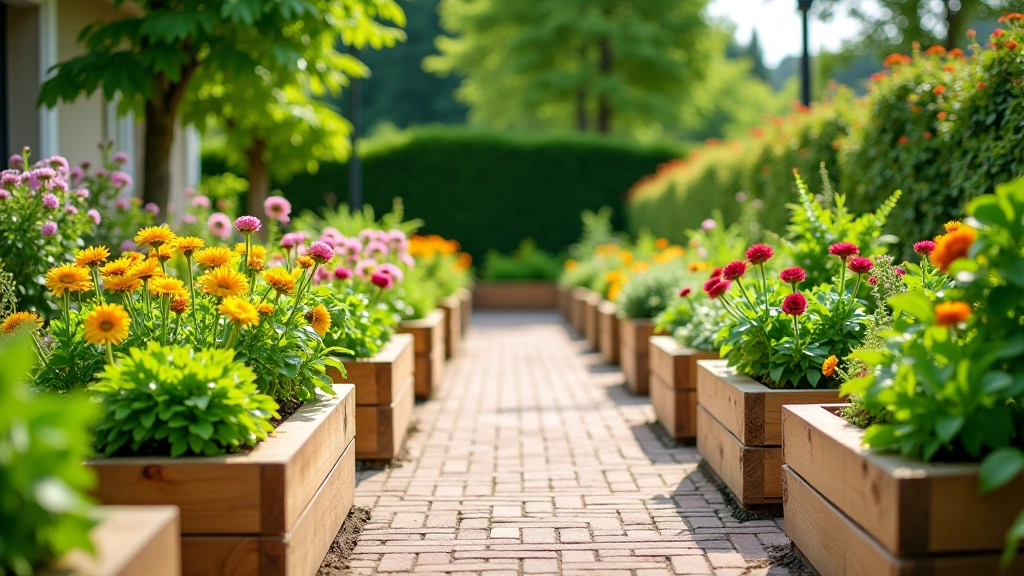
Low-Maintenance Garden Design Principles
Want a beautiful garden without constant upkeep? We explain how native plants, proper mulching, and thoughtful layout reduce your maintenance time significantly.
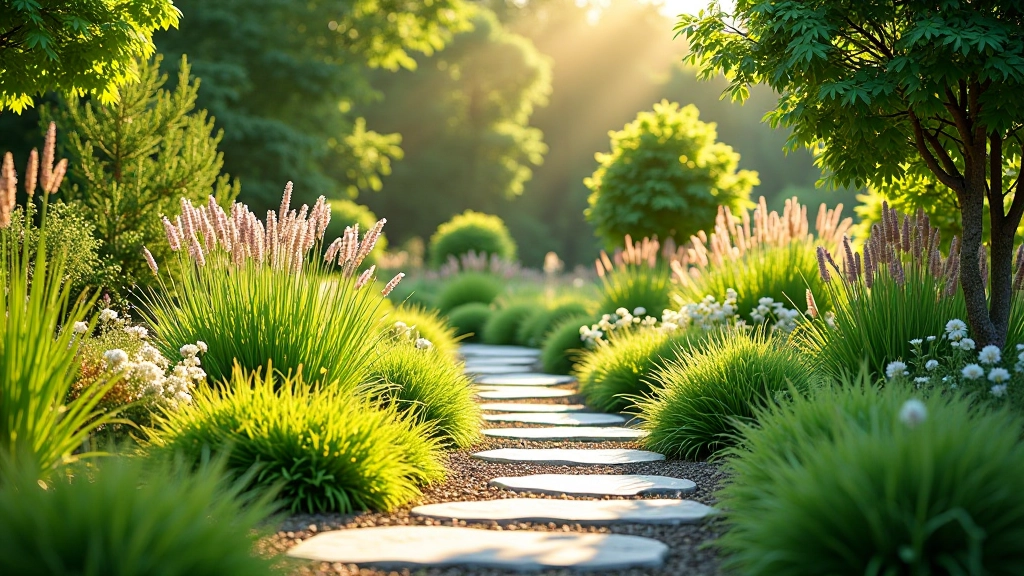
Why Low-Maintenance Design Matters
Let's be honest — not everyone has hours to spend weeding, pruning, and fussing with their garden. Life gets busy. But that doesn't mean you can't have a beautiful outdoor space that you'll actually enjoy.
Low-maintenance garden design isn't about having a boring yard. It's about working smarter, not harder. We're talking about selecting the right plants, organizing your space thoughtfully, and using techniques that actually reduce the work. You'll spend less time fighting against nature and more time relaxing in your garden.
Start with Native Plants
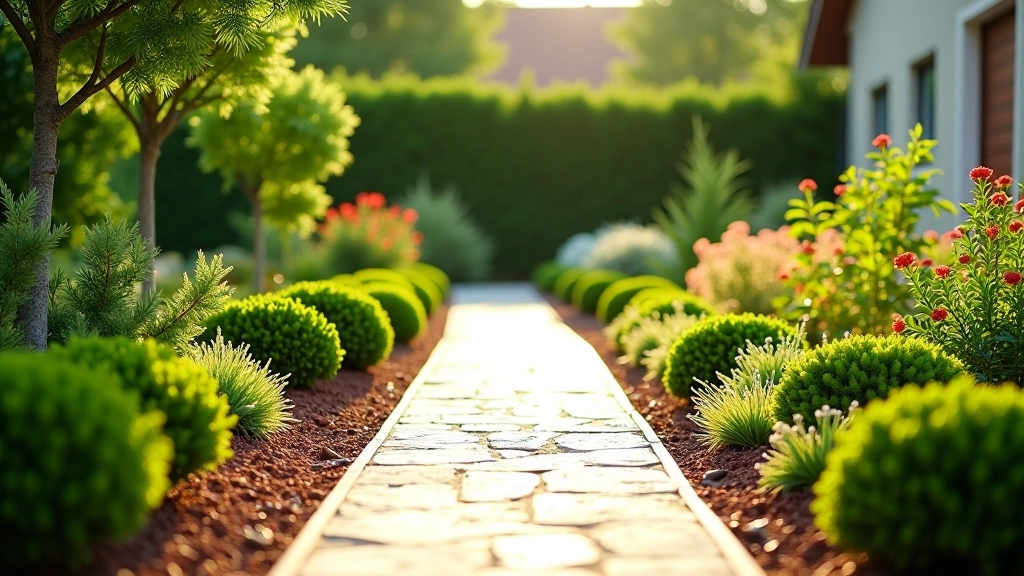
Native plants are your secret weapon. They've evolved to thrive in your local climate, so they don't need extra water, fertilizer, or coddling. Once established — usually after the first year — they handle themselves.
Here's the real advantage: native plants support local insects and wildlife naturally. You're not fighting against your environment; you're working with it. Most native shrubs and perennials need watering only during their first season. After that? They'll handle dry spells. They're resistant to local pests because they've evolved alongside them.
Plant Selection Strategy
- Choose 3-5 native shrub varieties for structure
- Mix in perennials that spread naturally
- Include groundcovers to reduce weeding zones
- Select plants with 4-month bloom periods minimum
Mulching: The Game Changer
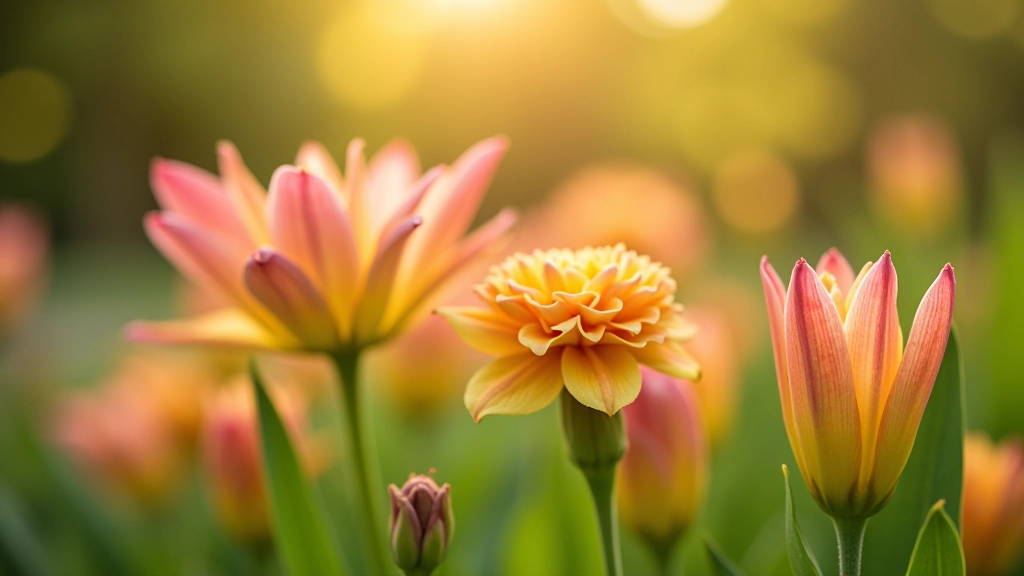
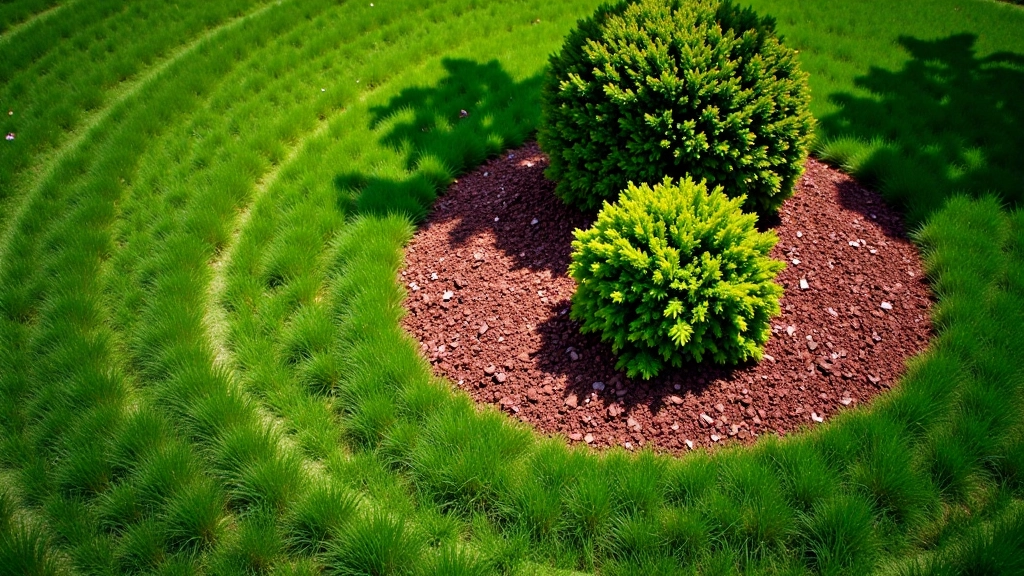
Proper mulching cuts your weeding time in half. That's not an exaggeration. A 2-3 inch layer of quality mulch blocks weed seeds from germinating, keeps soil moisture consistent, and regulates temperature. You're literally eliminating one of the biggest garden maintenance headaches.
Don't use plastic — it breaks down and creates mess. Use organic mulch: wood chips, shredded bark, or compost. As it breaks down over 12-18 months, it improves your soil. You'll need to refresh it annually, but that's a one-afternoon job, not a weekly battle.
Plus, you'll notice your plants are healthier. The consistent moisture and insulation mean less transplant shock, stronger root systems, and plants that actually look fuller and more vibrant.
Smart Garden Layout Saves Time
How you arrange your plants matters more than people realize. Group plants with similar water needs together. Create distinct zones — one for moisture-loving plants, another for drought-tolerant species. This means you're not running sprinklers across the whole yard.
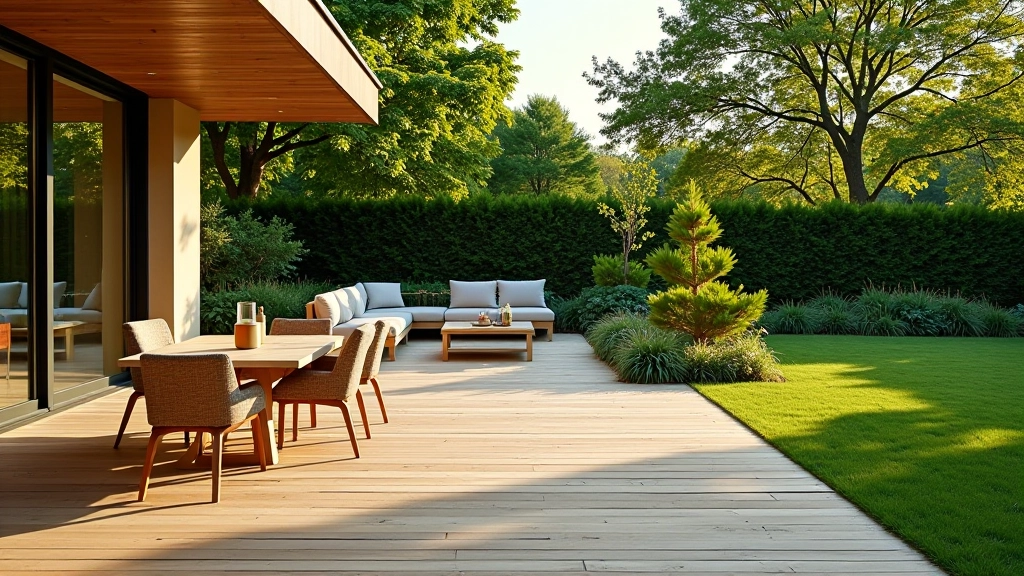
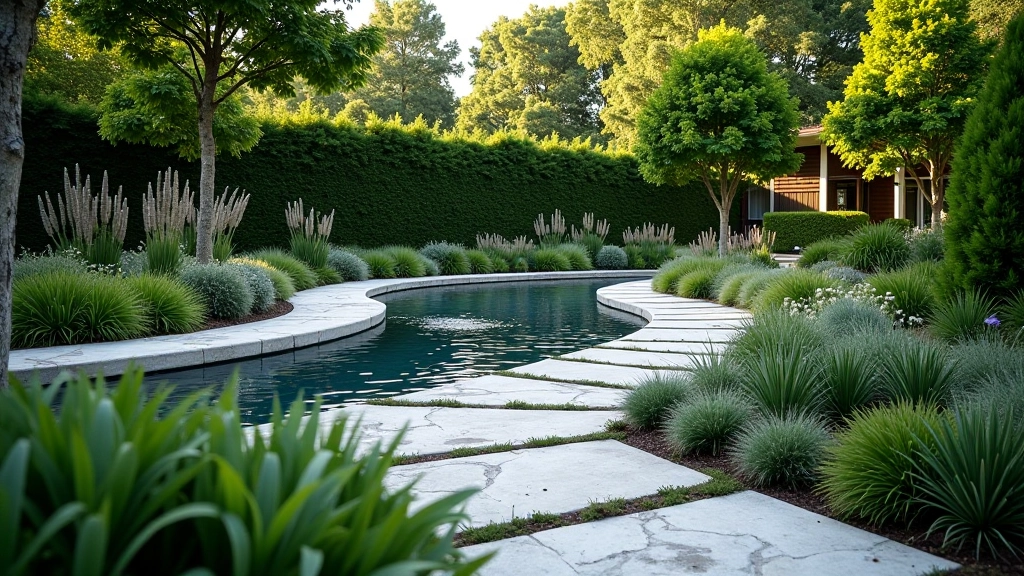
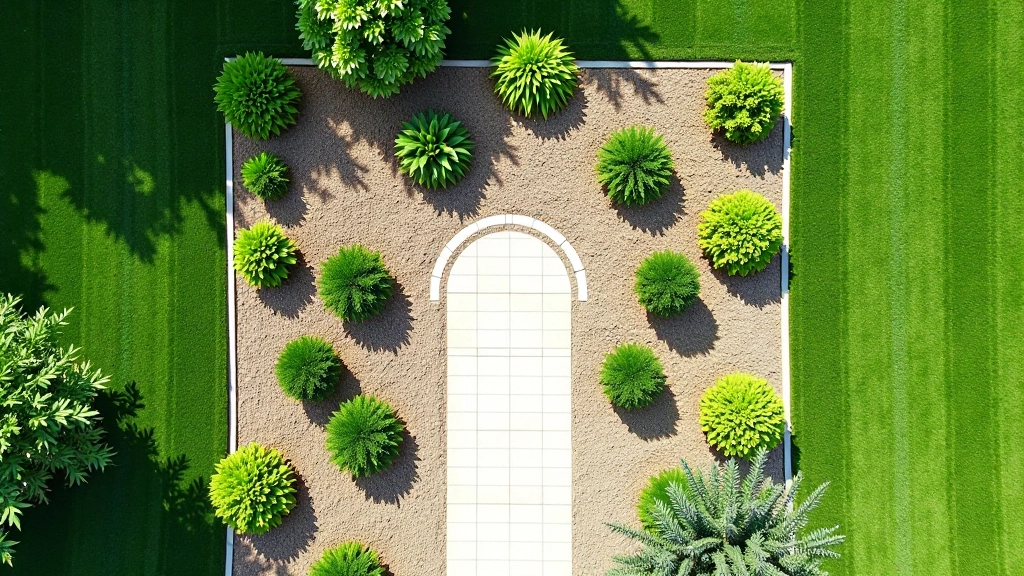
Hardscaping elements deserve serious consideration too. Pathways, borders, and seating areas should be built to minimize maintenance. Stone or gravel paths are better than grass in high-traffic areas. They don't need mowing, watering, or reseeding. A properly installed path will look clean and defined for years with minimal upkeep.
1
Assess Your Site
Observe sun exposure, soil type, and existing drainage patterns. Spend a season watching your space before planting.
2
Group by Water Needs
Create zones for high-water plants, moderate, and drought-tolerant. This makes irrigation far more efficient.
3
Install Hardscaping First
Build paths, borders, and edges before planting. This defines zones and reduces edge trimming later.
4
Apply Mulch Generously
After planting, lay 2-3 inches of organic mulch. This is where you'll see the biggest time savings.
Informational Purpose
This article provides educational information about garden design principles and low-maintenance landscaping strategies. While we've drawn on industry best practices and horticultural knowledge, every garden is unique. Climate, soil conditions, and local growing zones vary significantly. We recommend consulting with a local landscape architect or garden center familiar with your specific region before implementing major design changes. Results will vary based on your location, soil type, and local weather patterns.

Building Your Low-Maintenance Garden
Low-maintenance garden design doesn't mean sacrificing beauty. It's about being intentional with your choices. Native plants, smart mulching, and thoughtful layout are the foundations. Start with these principles and you'll notice the difference within the first season — less weeding, less watering, less overall stress.
The best part? As your garden matures, it becomes even lower maintenance. Native plants establish stronger root systems. Soil improves as organic mulch breaks down. You're not fighting the system; you're working with it. That's when gardening becomes enjoyable instead of a chore.
Don't overthink it. Start with these core principles, observe how your garden responds, and adjust as needed. You'll have a beautiful outdoor space that doesn't own you.